


UN: One in three Sudanese households have lost their livelihoods
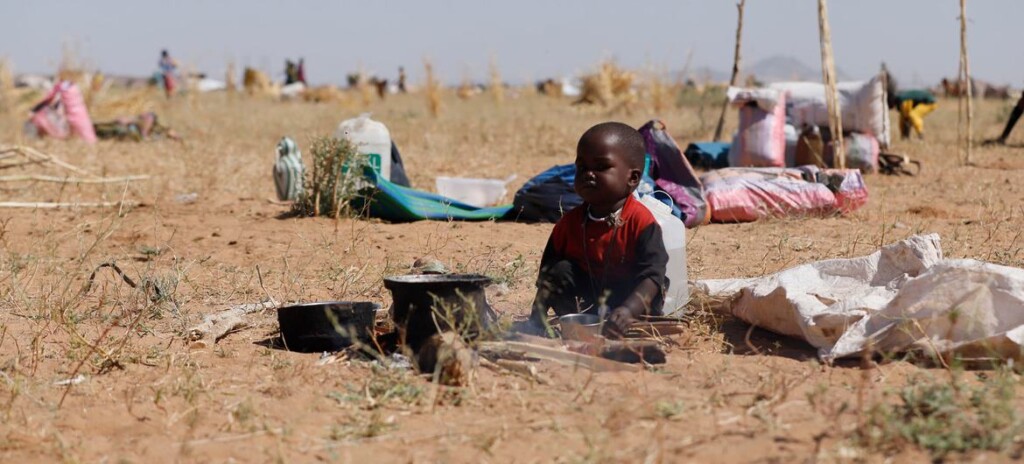
A child sits next to a cooking stove in Tawila after his family fled El Fasher. (UNICEF/Mohammed Jamal)
A major UN assessment has found that Sudan’s humanitarian crisis extends beyond hunger and displacement to affect almost every aspect of daily life, with most households struggling to secure income, water, education, healthcare, shelter and protection.
The 2026 Sudan Multi-Sector Needs Assessment (MSNA), published on 9 November by the International Organization for Migration’s (IOM) Displacement Tracking Matrix (DTM), found that 68% of Sudanese households have unmet livelihood needs – the highest proportion recorded across all the sectors covered by the survey.
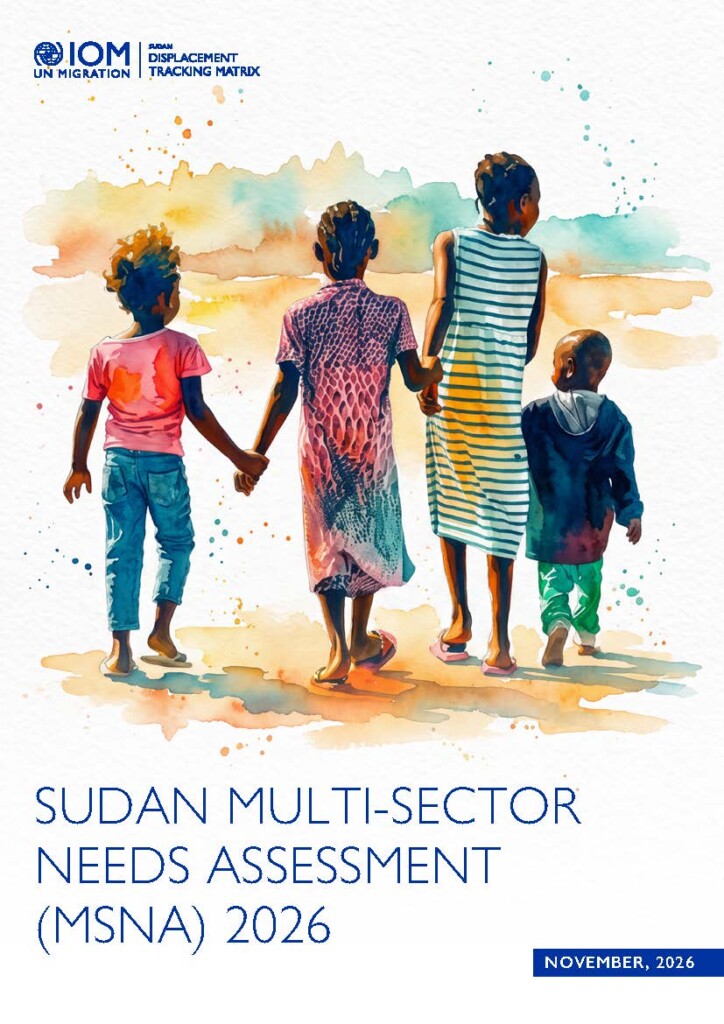
The assessment was based on 23,736 household interviews conducted by IOM teams between 23 July and 17 August. It covered 185 localities across all 18 Sudanese states and included displaced, returnee and non-displaced households, with the aim of providing comparable data on people’s needs and their access to essential services.
Rising prices drain household resources
According to the findings, 98% of households reported increases in the prices of basic commodities, highlighting the widespread economic pressures affecting almost the entire country.
Some 68% of households had been forced to adopt coping strategies classified by the organisation as being at ‘crisis’ level to maintain their sources of income. These typically include exhausting savings, borrowing money, selling productive assets, cutting essential spending or resorting to insecure employment.
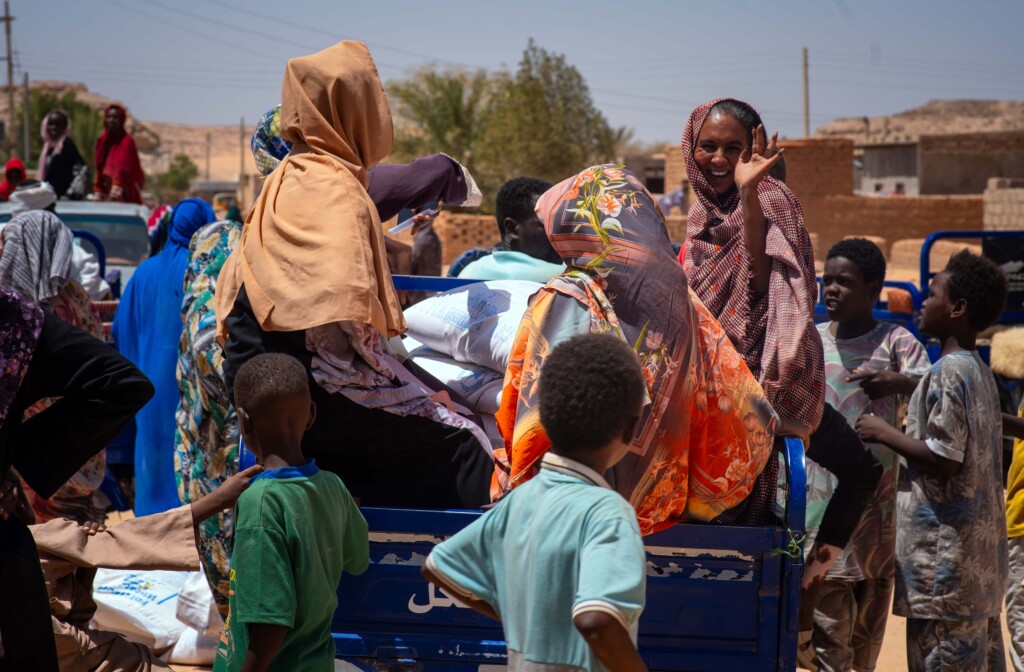
This means that 68% of households are unable to secure adequate livelihoods and face a gap between their livelihood needs and the resources or assistance available to them.
Food consumption patterns also showed that 31% of households had borderline or poor food consumption levels. Of these, 23% were classified as having borderline food consumption, while 8% had poor food consumption, reflecting a decline in the quantity, diversity or regularity of food available to them.

Water and sanitation
Water ranked second among the most widespread unmet needs. Some 59% of households reported unmet needs in this sector, while 30% said access to water was a direct challenge.
The gap was more pronounced among displaced people, with 79% of displaced households reporting unmet water needs, compared with 56% of non-displaced households.
The disparity highlights the pressure on families forced to leave their homes and live in camps, shelters or temporary accommodation, often in areas already facing shortages of water sources and services.

Children out of school
In the education sector, 42% of households reported unmet educational needs. More alarmingly, 45% of households with children aged between five and 18 said their children had not attended formal education regularly during the 2025–2026 school year.
The figure shows how the effects of the war threaten an entire generation of children, amid school closures, the conversion of some schools into shelters for displaced people, families’ inability to pay fees or buy school supplies, the displacement of teachers and damage to educational facilities.
Healthcare out of reach for displaced people
In the health sector, the assessment found that, among households that had needed medical care in the three months preceding the survey, 38% had been unable to obtain the treatment they required.
The proportion rose to 48% among displaced households, compared with 37% of non-displaced households and 31% of households that had returned to their areas of origin.
The gap reflects the additional burdens faced by displaced people, including the distance to health facilities, transport and treatment costs, shortages of medicines and medical staff, and the closure of healthcare facilities in conflict areas.
The survey also recorded unmet shelter needs among 38% of households, while 37% reported protection-related needs.
The protection gap reached 60% among displaced households, compared with 33% among non-displaced households.

Displaced people bear the heaviest burden
The organisation concluded that unmet needs were consistently higher among displaced people across all sectors. In livelihoods, the proportion reached 83% among displaced households, compared with 66% among non-displaced households. Significant disparities were also recorded in water, protection and healthcare.
The organisation said the findings were representative at locality level, following geographical verification of the data, consistency checks and direct reviews with field teams. However, it cautioned that breakdowns at smaller geographical levels should be treated as indicative rather than definitive estimates.
The survey did not cover three localities in South Kordofan – El Buram, Heiban and Um Durein – because of security and administrative restrictions. This means that some of the areas most severely affected by the war were not included in the sample.
 and then