





Sudan battlefield shifts as RSF intensifies operations in Blue Nile
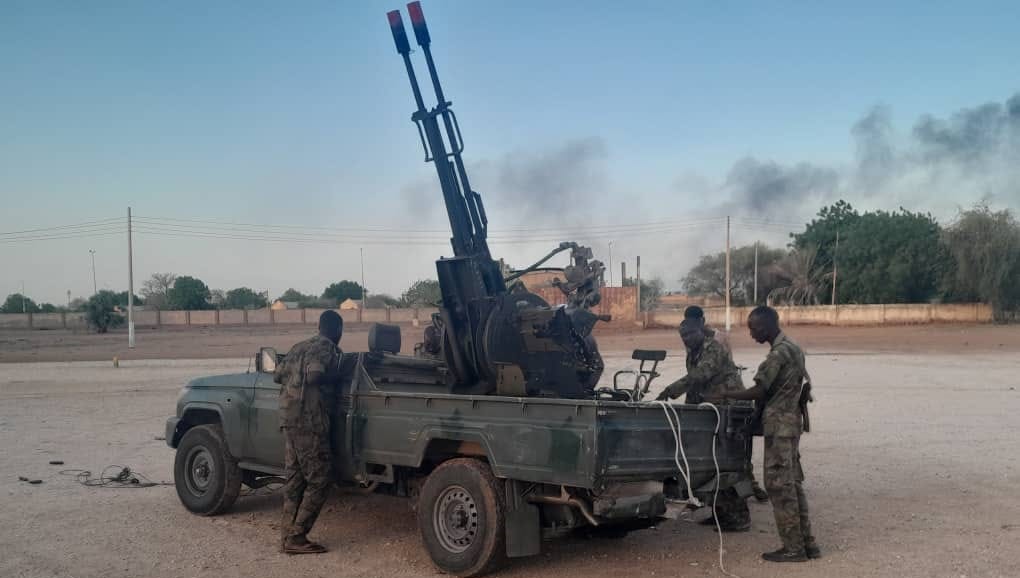
Sudanese Armed Forces soldiers in Khartoum (File photo: SAF via its Facebook page)
Sudan’s battlefield is undergoing rapid shifts across several fronts, with the paramilitary Rapid Support Forces (RSF) intensifying military operations in Blue Nile state, according to security and military expert Brig Gen Dr Jamal El Shahid.
El Shahid told Radio Dabanga that the RSF and Sudan People’s Liberation Movement-North (SPLM-N), reportedly led by Joseph Toka, have stepped up attacks against Sudanese Armed Forces (SAF) positions in Blue Nile, backed by troops and drones launched from bases in two countries along Sudan’s south-eastern border.
The escalation has reportedly forced the army to withdraw from the towns of El Kurmuk and Geisan, where it is repositioning its forces around the two strategic locations.
El-Shahid said reports had also tracked the arrival of logistical support for the RSF through Assosa, the capital city of the Benishangul-Gumuz Region in Ethiopia, which he said could help the paramilitary group expand its operations in Blue Nile.
‘Army claims gains in Kordofan’
El Shahid said the SAF had consolidated control over large areas of Kordofan and inflicted heavy losses on its opponents along the desert axis, particularly around Bir Saliba and Umm Sayala.
He said the army was also preparing for further operations in Darfur, including a potential offensive towards El Fasher and mobilisation for what he described as the “Battle of El Geneina”.
According to El Shahid, the SAF’s growing use of a new aircraft fleet has made a “tangible difference” on the battlefield, while divisions within the RSF and growing public dissatisfaction with its rule could further weaken the paramilitary group.
He pointed to recent demonstrations and expressions of public anger against the RSF in Zalingei, as well as tensions between the paramilitary leadership and its civilian allies.
‘Army seeks to project control‘
El Shahid linked the latest battlefield developments to the SAF’s Armed Forces Day celebrations, held inside Khartoum and at the Presidential Palace following the army’s recapture of the capital, Wad Madani and Sennar.
The celebrations, he said, were intended to reassure the Sudanese public while sending a message abroad that the army had restored stability and was consolidating its control.
The presence of foreign diplomats in the capital has reinforced that message, El Shahid said, pointing to the activities of ambassadors from countries including the United Kingdom and Saudi Arabia in central Khartoum.

 and then